US daylight saving time 2026 ends; clocks fall back 1 hour, sleep experts object
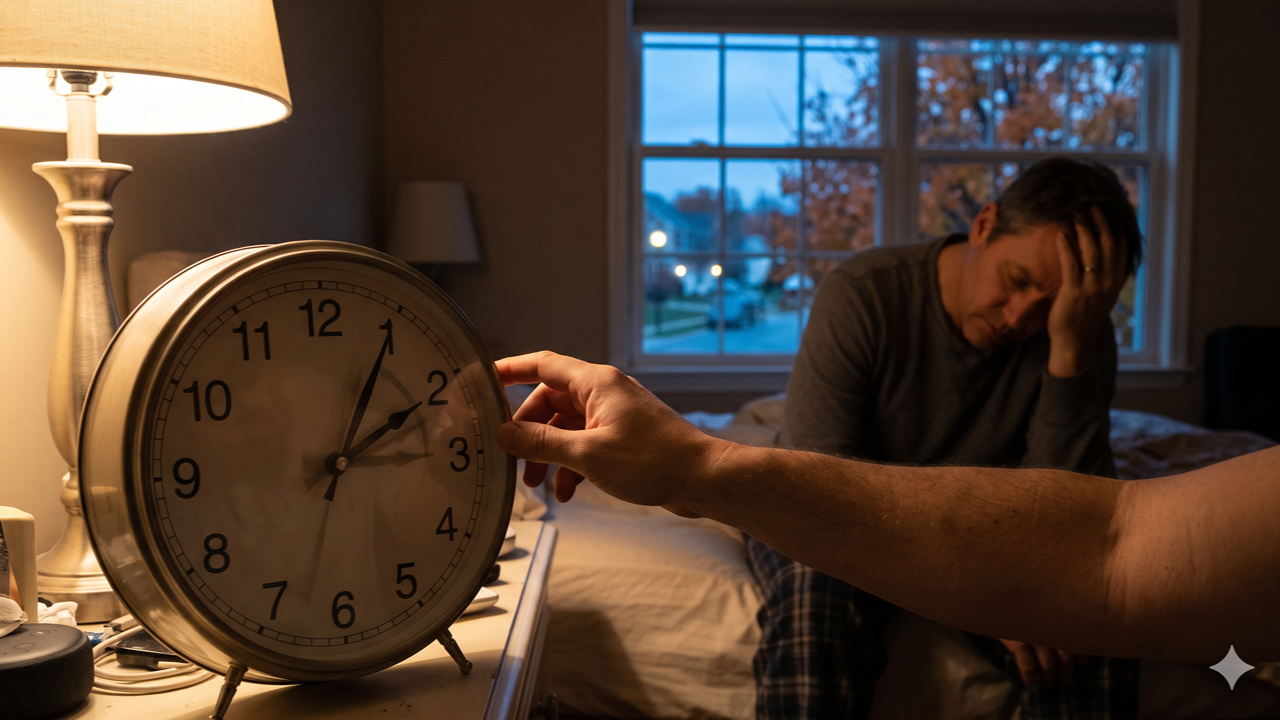
Daylight saving time concluded on November 1, resulting in darker evenings and an extra hour of sleep. The debate continues over making daylight saving time a permanent fixture instead of switching twice yearly. Recent legislation has stalled in the Senate despite bipartisan support from the House. Public opinion favors maintaining standard time over permanent daylight saving...
Key Takeaways
- Daylight saving time concluded on November 1, resulting in darker evenings and an extra hour of sleep.
- The debate continues over making daylight saving time a permanent fixture instead of switching twice yearly.
- Recent legislation has stalled in the Senate despite bipartisan support from the House.
Daylight saving time concluded on November 1, resulting in darker evenings and an extra hour of sleep. The debate continues over making daylight saving time a permanent fixture instead of switching twice yearly. Recent legislation has stalled in the Senate despite bipartisan support from the House. Public opinion favors maintaining standard time over permanent daylight saving time due to sleep cycle considerations.
Original Publisher Attribution
This summary was curated from Times of India.