2,000-year-old Vesuvius bread still shows 8 segments and baker's stamp
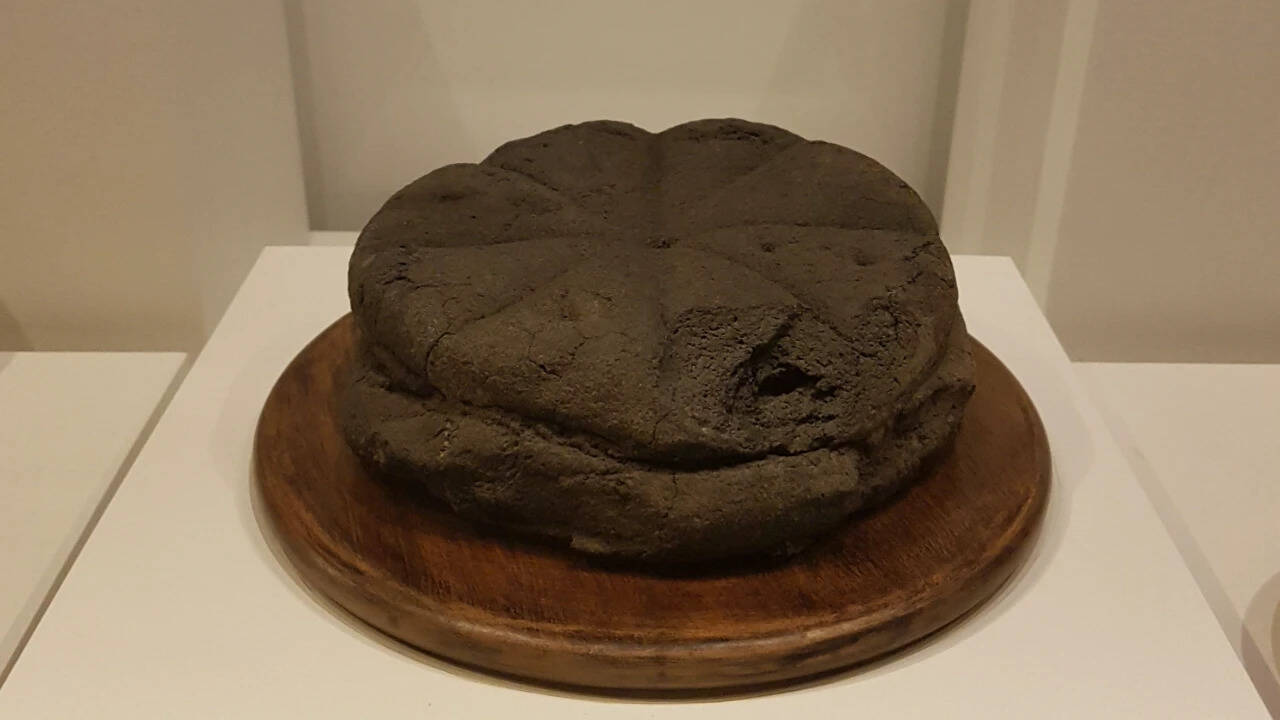
A loaf of bread left inside an oven in Herculaneum during the AD 79 eruption of Mount Vesuvius was discovered carbonised during excavations in 1930. The nearly 2,000-year-old find offers a glimpse into ancient Roman food habits. The British Museum later recreated the bread, while other preserved loaves reveal how Romans divided bread into portions and...
Key Takeaways
- A loaf of bread left inside an oven in Herculaneum during the AD 79 eruption of Mount Vesuvius was discovered carbonised during excavations in 1930.
- The nearly 2,000-year-old find offers a glimpse into ancient Roman food habits.
- The British Museum later recreated the bread, while other preserved loaves reveal how Romans divided bread into portions and used stamps to identify it.
A loaf of bread left inside an oven in Herculaneum during the AD 79 eruption of Mount Vesuvius was discovered carbonised during excavations in 1930. The nearly 2,000-year-old find offers a glimpse into ancient Roman food habits. The British Museum later recreated the bread, while other preserved loaves reveal how Romans divided bread into portions and used stamps to identify it.
Original Publisher Attribution
This summary was curated from Times of India.