Virginia teen's model improves simulated earthquake sensor coverage by 16.7%
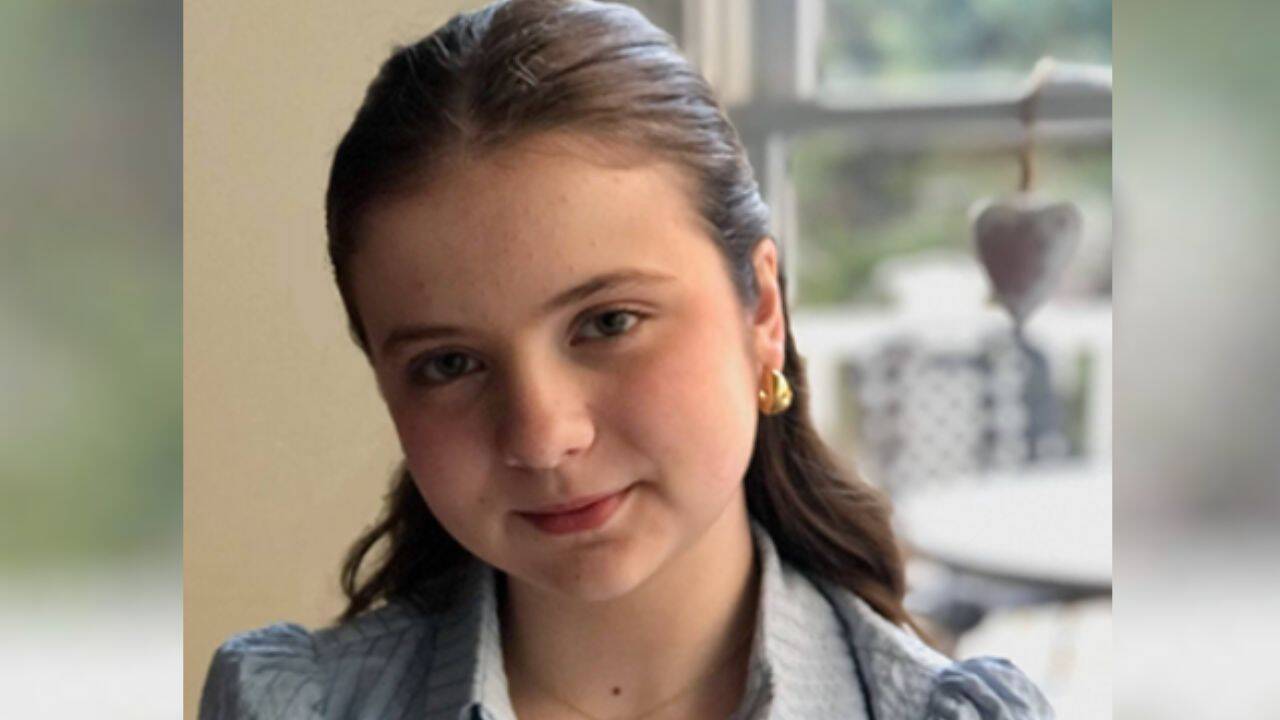
A 14-year-old student from Williamsburg, Virginia, has become one of 30 finalists in a national science competition after developing a mathematical model to improve earthquake sensor placement. Isabel Rossi's six-month research project showed that adding just five sensors could increase simulated detection coverage by 16.7%. She used earthquake records from California and mathematical methods to identify...
Key Takeaways
- A 14-year-old student from Williamsburg, Virginia, has become one of 30 finalists in a national science competition after developing a mathematical model to improve earthquake sensor placement.
- Isabel Rossi's six-month research project showed that adding just five sensors could increase simulated detection coverage by 16.7%.
- She used earthquake records from California and mathematical methods to identify better sensor locations.
A 14-year-old student from Williamsburg, Virginia, has become one of 30 finalists in a national science competition after developing a mathematical model to improve earthquake sensor placement. Isabel Rossi's six-month research project showed that adding just five sensors could increase simulated detection coverage by 16.7%. She used earthquake records from California and mathematical methods to identify better sensor locations.
Original Publisher Attribution
This summary was curated from Times of India.