Environment News

Breaking dispatches and AI-curated news on Environment.

Prop 45 in California could be hiding a loophole for data centersThe Verge
1 min read•11/2/2026

Prop 45 in California could be hiding a loophole for data centers

A high-stakes California ballot measure pitched as a fast track for "essential" infrastructure could wind up giving data center developers a loophole to evade public scrutiny, environmental advocates warn. Proposition 45 would shorten timelines for state-mandated environmental assessments for eligible projects and make it more difficult for residents to challenge those projects in court. Proponents say...

Why is market rallying today? Sensex soars over 950 pts, Nifty tops 23,300. 7 factors driving Rs 4 lakh crore D-Street gainsEconomic Times
1 min read•11/2/2026

Why is market rallying today? Sensex soars over 950 pts, Nifty tops 23,300. 7 factors driving Rs 4 lakh crore D-Street gains

The Indian stock market saw a robust performance on Monday, with Sensex and Nifty climbing over 1%. This was largely driven by Reliance Industries' strong earnings report, which propelled its shares upwards. Overall, sectors like Nifty Oil & Gas thrived, although Nifty Pharma lagged behind. Market breadth revealed more winners than losers, reflecting investor confidence, even...

Prop 45 in California could be hiding a loophole for data centersThe Verge
1 min read•11/2/2026

Prop 45 in California could be hiding a loophole for data centers

A high-stakes California ballot measure pitched as a fast track for "essential" infrastructure could wind up giving data center developers a loophole to evade public scrutiny, environmental advocates warn. Proposition 45 would shorten timelines for state-mandated environmental assessments for eligible projects and make it more difficult for residents to challenge those projects in court. Proponents say...

Oil Price Today (November 2): Crude oil falls to $111 as Iran-Qatar talks continue to end war. What are experts saying?Economic Times
1 min read•11/2/2026

Oil Price Today (November 2): Crude oil falls to $111 as Iran-Qatar talks continue to end war. What are experts saying?

Crude oil price : Oil prices have plummeted dramatically, impacting Brent and WTI crude significantly. As Iranian and Qatari officials engage in talks to mitigate tensions from the US-Israeli conflict regarding Iran, the situation is further aggravated by security threats and oil tanker assaults in the Strait of Hormuz. Experts warn of ongoing price instability post-US...

Pre-market action: Here's the trade setup for today's sessionEconomic Times
1 min read•11/2/2026

Pre-market action: Here's the trade setup for today's session

Benchmark indices demonstrated remarkable strength, finishing above key thresholds due to robust demand for large-cap equities. However, surging Brent crude oil prices are still triggering concerns relating to the macroeconomic environment among investors. The India VIX index has recorded a slight increase in market anxiety, signaling cautious attitudes from investors.

Prop 45 in California could be hiding a loophole for data centersThe Verge
1 min read•11/2/2026

Prop 45 in California could be hiding a loophole for data centers

A high-stakes California ballot measure pitched as a fast track for "essential" infrastructure could wind up giving data center developers a loophole to evade public scrutiny, environmental advocates warn. Proposition 45 would shorten timelines for state-mandated environmental assessments for eligible projects and make it more difficult for residents to challenge those projects in court. Proponents say...

Discovery of bromochloropyrene reveals unexpected biological propertiesPhys.org
1 min read•11/2/2026

Discovery of bromochloropyrene reveals unexpected biological properties

Environmental pollutants containing chlorine or bromine have been widely studied, but compounds containing both elements have remained largely unexplored. Researchers have now detected bromochloropyrene in industrial soils and harbor sediments, investigated its breakdown under simulated sunlight, and measured its activity through a biological receptor linked to toxic effects. The findings reveal distinct environmental and biological properties,...

Prop 45 in California could be hiding a loophole for data centersThe Verge
1 min read•11/2/2026

Prop 45 in California could be hiding a loophole for data centers

A high-stakes California ballot measure pitched as a fast track for "essential" infrastructure could wind up giving data center developers a loophole to evade public scrutiny, environmental advocates warn. Proposition 45 would shorten timelines for state-mandated environmental assessments for eligible projects and make it more difficult for residents to challenge those projects in court. Proponents say...

Prop 45 in California could be hiding a loophole for data centersThe Verge
1 min read•11/1/2026

Prop 45 in California could be hiding a loophole for data centers

A high-stakes California ballot measure pitched as a fast track for "essential" infrastructure could wind up giving data center developers a loophole to evade public scrutiny, environmental advocates warn. Proposition 45 would shorten timelines for state-mandated environmental assessments for eligible projects and make it more difficult for residents to challenge those projects in court. Proponents say...

Discovery of bromochloropyrene reveals unexpected biological propertiesPhys.org
1 min read•11/1/2026

Discovery of bromochloropyrene reveals unexpected biological properties

Environmental pollutants containing chlorine or bromine have been widely studied, but compounds containing both elements have remained largely unexplored. Researchers have now detected bromochloropyrene in industrial soils and harbor sediments, investigated its breakdown under simulated sunlight, and measured its activity through a biological receptor linked to toxic effects. The findings reveal distinct environmental and biological properties,...

Prop 45 in California could be hiding a loophole for data centersThe Verge
1 min read•11/1/2026

Prop 45 in California could be hiding a loophole for data centers

A high-stakes California ballot measure pitched as a fast track for "essential" infrastructure could wind up giving data center developers a loophole to evade public scrutiny, environmental advocates warn. Proposition 45 would shorten timelines for state-mandated environmental assessments for eligible projects and make it more difficult for residents to challenge those projects in court. Proponents say...

Discovery of bromochloropyrene reveals unexpected biological propertiesPhys.org
1 min read•11/1/2026

Discovery of bromochloropyrene reveals unexpected biological properties

Environmental pollutants containing chlorine or bromine have been widely studied, but compounds containing both elements have remained largely unexplored. Researchers have now detected bromochloropyrene in industrial soils and harbor sediments, investigated its breakdown under simulated sunlight, and measured its activity through a biological receptor linked to toxic effects. The findings reveal distinct environmental and biological properties,...

The asteroid killed the dinosaurs. Why did crocodiles survive?ScienceDaily
1 min read•11/1/2026

The asteroid killed the dinosaurs. Why did crocodiles survive?

Scientists may have solved a 66-million-year-old mystery: how crocodiles survived the asteroid that wiped out the dinosaurs. A sweeping analysis of fossils and ancient climates suggests that their preference for warm environments placed them in tropical refuges that remained habitable even after the catastrophic impact.

Discovery of bromochloropyrene reveals unexpected biological propertiesPhys.org
1 min read•11/1/2026

Discovery of bromochloropyrene reveals unexpected biological properties

Environmental pollutants containing chlorine or bromine have been widely studied, but compounds containing both elements have remained largely unexplored. Researchers have now detected bromochloropyrene in industrial soils and harbor sediments, investigated its breakdown under simulated sunlight, and measured its activity through a biological receptor linked to toxic effects. The findings reveal distinct environmental and biological properties,...

Nvidia CEO Jensen Huang backs lawful immigration, says US needs world’s ‘great minds’Times of India
1 min read•11/1/2026

Nvidia CEO Jensen Huang backs lawful immigration, says US needs world’s ‘great minds’

Jensen Huang, the CEO of Nvidia, highlights the significance of attracting global talent for technological innovation. He notes that many of America's top researchers and entrepreneurs are immigrants who contribute significantly to the economy. Huang argues that fostering an environment of legal immigration will enhance the nation's ability to create new inventions and ideas. He believes...

The asteroid killed the dinosaurs. Why did crocodiles survive?ScienceDaily
1 min read•11/1/2026

The asteroid killed the dinosaurs. Why did crocodiles survive?

Scientists may have solved a 66-million-year-old mystery: how crocodiles survived the asteroid that wiped out the dinosaurs. A sweeping analysis of fossils and ancient climates suggests that their preference for warm environments placed them in tropical refuges that remained habitable even after the catastrophic impact.

Discovery of bromochloropyrene reveals unexpected biological propertiesPhys.org
1 min read•11/1/2026

Discovery of bromochloropyrene reveals unexpected biological properties

Environmental pollutants containing chlorine or bromine have been widely studied, but compounds containing both elements have remained largely unexplored. Researchers have now detected bromochloropyrene in industrial soils and harbor sediments, investigated its breakdown under simulated sunlight, and measured its activity through a biological receptor linked to toxic effects. The findings reveal distinct environmental and biological properties,...

How rejected tomatoes became a multi-crore vegan leather empireTimes of India
1 min read•11/1/2026

How rejected tomatoes became a multi-crore vegan leather empire

Pritesh Mistry developed a bio-leather material from discarded tomato by-products during his college project at Thadomal Shahani Engineering College. His idea addresses agricultural waste while reducing the environmental impact of leather production. The Bio Company has begun commercializing this innovation, producing 5,000 meters of Bioleather each month from tomato waste. Partnerships with designers and manufacturers are...

The asteroid killed the dinosaurs. Why did crocodiles survive?ScienceDaily
1 min read•11/1/2026

The asteroid killed the dinosaurs. Why did crocodiles survive?

Scientists may have solved a 66-million-year-old mystery: how crocodiles survived the asteroid that wiped out the dinosaurs. A sweeping analysis of fossils and ancient climates suggests that their preference for warm environments placed them in tropical refuges that remained habitable even after the catastrophic impact.

Discovery of bromochloropyrene reveals unexpected biological propertiesPhys.org
1 min read•11/1/2026

Discovery of bromochloropyrene reveals unexpected biological properties

Environmental pollutants containing chlorine or bromine have been widely studied, but compounds containing both elements have remained largely unexplored. Researchers have now detected bromochloropyrene in industrial soils and harbor sediments, investigated its breakdown under simulated sunlight, and measured its activity through a biological receptor linked to toxic effects. The findings reveal distinct environmental and biological properties,...

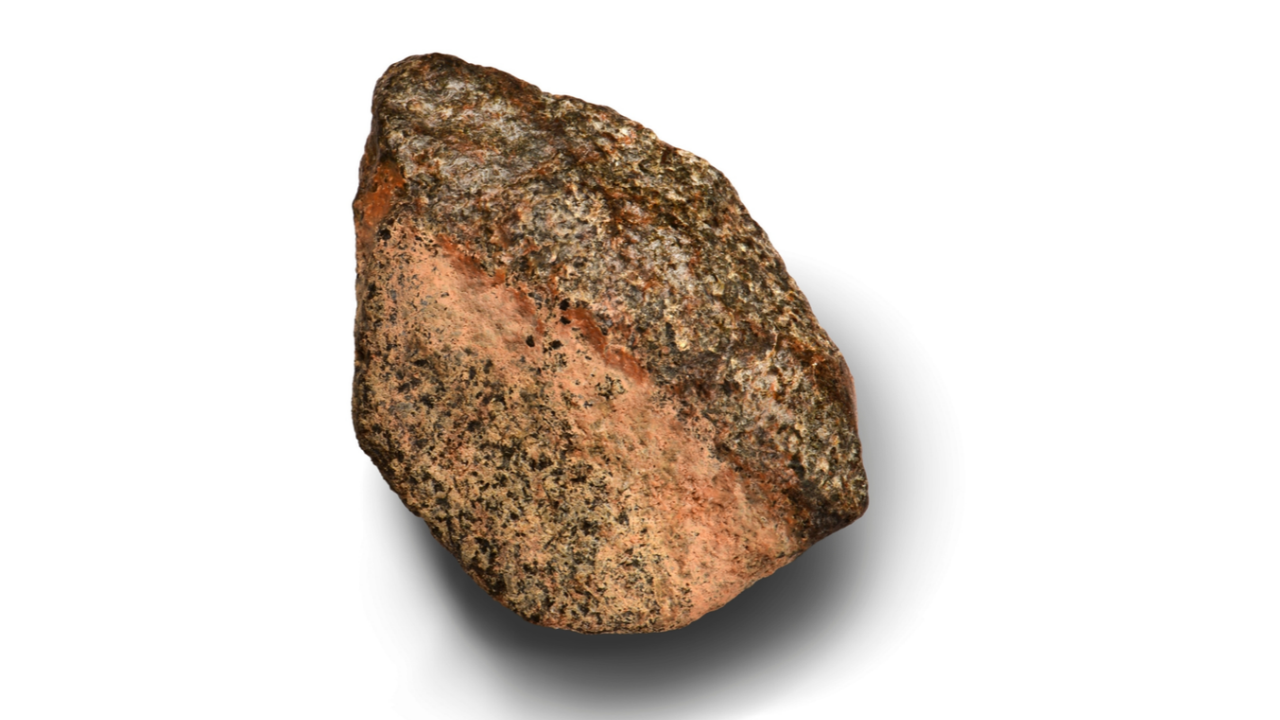
4.1bn-year-old pink Mars rock found in Sahara holds clues to ancient waterTimes of India
1 min read•11/1/2026

4.1bn-year-old pink Mars rock found in Sahara holds clues to ancient water

Discovered in the vast Sahara Desert, the meteorite Teghaza 001 is over four billion years old and is confirmed to be a Martian rock via isotopic studies. This intriguing specimen reveals a volcanic history intertwined with water activity, indicating a complex water cycle on Mars. As researchers delve deeper into its origins, they are unraveling vital...

The asteroid killed the dinosaurs. Why did crocodiles survive?ScienceDaily
1 min read•11/1/2026

The asteroid killed the dinosaurs. Why did crocodiles survive?

Scientists may have solved a 66-million-year-old mystery: how crocodiles survived the asteroid that wiped out the dinosaurs. A sweeping analysis of fossils and ancient climates suggests that their preference for warm environments placed them in tropical refuges that remained habitable even after the catastrophic impact.

Discovery of bromochloropyrene reveals unexpected biological propertiesPhys.org
1 min read•11/1/2026

Discovery of bromochloropyrene reveals unexpected biological properties

Environmental pollutants containing chlorine or bromine have been widely studied, but compounds containing both elements have remained largely unexplored. Researchers have now detected bromochloropyrene in industrial soils and harbor sediments, investigated its breakdown under simulated sunlight, and measured its activity through a biological receptor linked to toxic effects. The findings reveal distinct environmental and biological properties,...

The asteroid killed the dinosaurs. Why did crocodiles survive?ScienceDaily
1 min read•10/31/2026

The asteroid killed the dinosaurs. Why did crocodiles survive?

Scientists may have solved a 66-million-year-old mystery: how crocodiles survived the asteroid that wiped out the dinosaurs. A sweeping analysis of fossils and ancient climates suggests that their preference for warm environments placed them in tropical refuges that remained habitable even after the catastrophic impact.

Discovery of bromochloropyrene reveals unexpected biological propertiesPhys.org
1 min read•10/31/2026

Discovery of bromochloropyrene reveals unexpected biological properties

Environmental pollutants containing chlorine or bromine have been widely studied, but compounds containing both elements have remained largely unexplored. Researchers have now detected bromochloropyrene in industrial soils and harbor sediments, investigated its breakdown under simulated sunlight, and measured its activity through a biological receptor linked to toxic effects. The findings reveal distinct environmental and biological properties,...

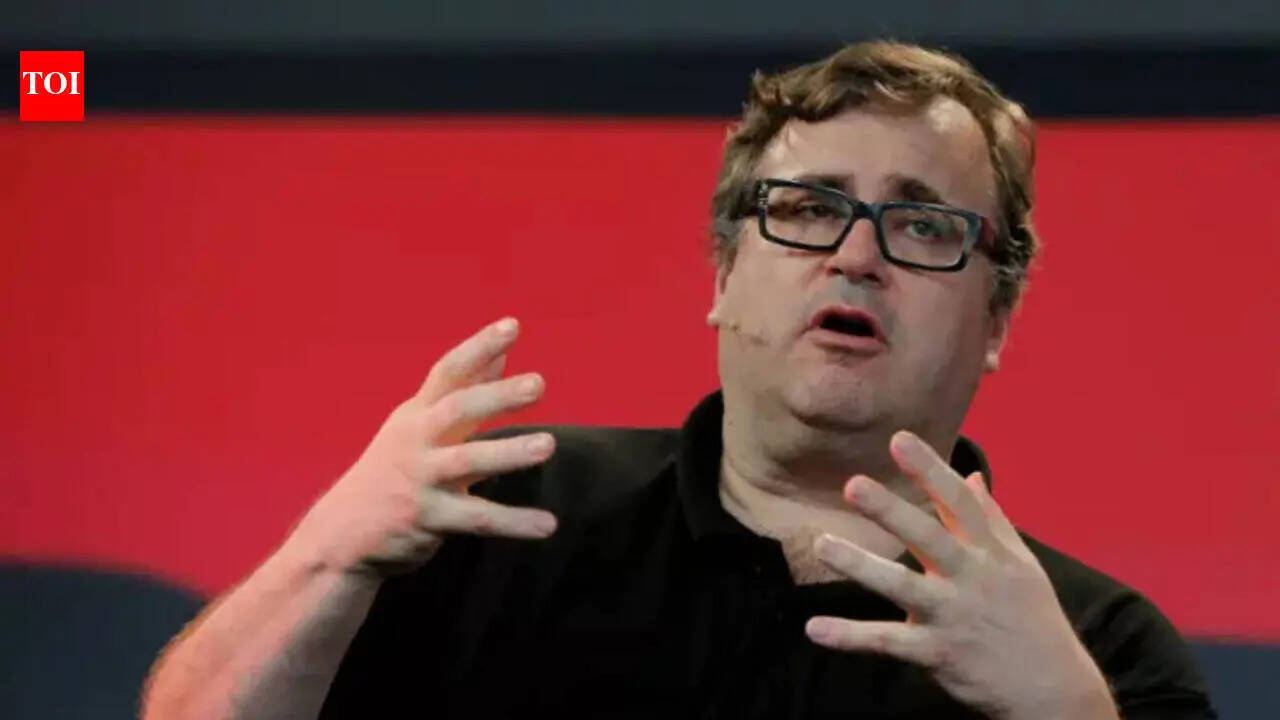
LinkedIn cofounder Reid Hoffman defends AI datacenters, has advice for tech companiesTimes of India
1 min read•10/31/2026

LinkedIn cofounder Reid Hoffman defends AI datacenters, has advice for tech companies

Reid Hoffman highlights the vital need to address community apprehensions regarding AI data centers across the United States. He advocates for tech companies to effectively manage noise and environmental concerns, ensuring that local voices influence development decisions. The construction of these facilities offers considerable economic advantages, bolstering the US economy even amidst ongoing political and social...

The asteroid killed the dinosaurs. Why did crocodiles survive?ScienceDaily
1 min read•10/31/2026

The asteroid killed the dinosaurs. Why did crocodiles survive?

Scientists may have solved a 66-million-year-old mystery: how crocodiles survived the asteroid that wiped out the dinosaurs. A sweeping analysis of fossils and ancient climates suggests that their preference for warm environments placed them in tropical refuges that remained habitable even after the catastrophic impact.

Discovery of bromochloropyrene reveals unexpected biological propertiesPhys.org
1 min read•10/31/2026

Discovery of bromochloropyrene reveals unexpected biological properties

Environmental pollutants containing chlorine or bromine have been widely studied, but compounds containing both elements have remained largely unexplored. Researchers have now detected bromochloropyrene in industrial soils and harbor sediments, investigated its breakdown under simulated sunlight, and measured its activity through a biological receptor linked to toxic effects. The findings reveal distinct environmental and biological properties,...

The asteroid killed the dinosaurs. Why did crocodiles survive?ScienceDaily
1 min read•10/31/2026

The asteroid killed the dinosaurs. Why did crocodiles survive?

Scientists may have solved a 66-million-year-old mystery: how crocodiles survived the asteroid that wiped out the dinosaurs. A sweeping analysis of fossils and ancient climates suggests that their preference for warm environments placed them in tropical refuges that remained habitable even after the catastrophic impact.

Waves alter Antarctic polynyas by breaking up surrounding sea icePhys.org
1 min read•10/31/2026

Waves alter Antarctic polynyas by breaking up surrounding sea ice

Polynyas are one of Antarctica's great counterintuitive features: recurring areas of open water surrounded by vast expanses of sea ice. These unusual environments are hot spots for sea-ice production, ocean–atmosphere exchange and biological productivity. They are commonly maintained by powerful winds that push newly formed ice away from the coast, repeatedly exposing the ocean to the...

Discovery of bromochloropyrene reveals unexpected biological propertiesPhys.org
1 min read•10/31/2026

Discovery of bromochloropyrene reveals unexpected biological properties

Environmental pollutants containing chlorine or bromine have been widely studied, but compounds containing both elements have remained largely unexplored. Researchers have now detected bromochloropyrene in industrial soils and harbor sediments, investigated its breakdown under simulated sunlight, and measured its activity through a biological receptor linked to toxic effects. The findings reveal distinct environmental and biological properties,...

'Won't move forward without public': Arunachal CM amid protests over Siang projectTimes of India
1 min read•10/31/2026

'Won't move forward without public': Arunachal CM amid protests over Siang project

Arunachal Pradesh CM Pema Khandu has assured residents that the proposed 11,200-MW Siang hydropower project will not be imposed on them, saying a decision will be taken only after its feasibility report is completed. The project, seen as a strategic counter to China's mega dam upstream, faces opposition from indigenous Adi communities over displacement, submergence of...

The asteroid killed the dinosaurs. Why did crocodiles survive?ScienceDaily
1 min read•10/31/2026

The asteroid killed the dinosaurs. Why did crocodiles survive?

Scientists may have solved a 66-million-year-old mystery: how crocodiles survived the asteroid that wiped out the dinosaurs. A sweeping analysis of fossils and ancient climates suggests that their preference for warm environments placed them in tropical refuges that remained habitable even after the catastrophic impact.

Waves alter Antarctic polynyas by breaking up surrounding sea icePhys.org
1 min read•10/31/2026

Waves alter Antarctic polynyas by breaking up surrounding sea ice

Polynyas are one of Antarctica's great counterintuitive features: recurring areas of open water surrounded by vast expanses of sea ice. These unusual environments are hot spots for sea-ice production, ocean–atmosphere exchange and biological productivity. They are commonly maintained by powerful winds that push newly formed ice away from the coast, repeatedly exposing the ocean to the...

Discovery of bromochloropyrene reveals unexpected biological propertiesPhys.org
1 min read•10/31/2026

Discovery of bromochloropyrene reveals unexpected biological properties

Environmental pollutants containing chlorine or bromine have been widely studied, but compounds containing both elements have remained largely unexplored. Researchers have now detected bromochloropyrene in industrial soils and harbor sediments, investigated its breakdown under simulated sunlight, and measured its activity through a biological receptor linked to toxic effects. The findings reveal distinct environmental and biological properties,...

Environment News — 60-Word AI Summaries | Loop60